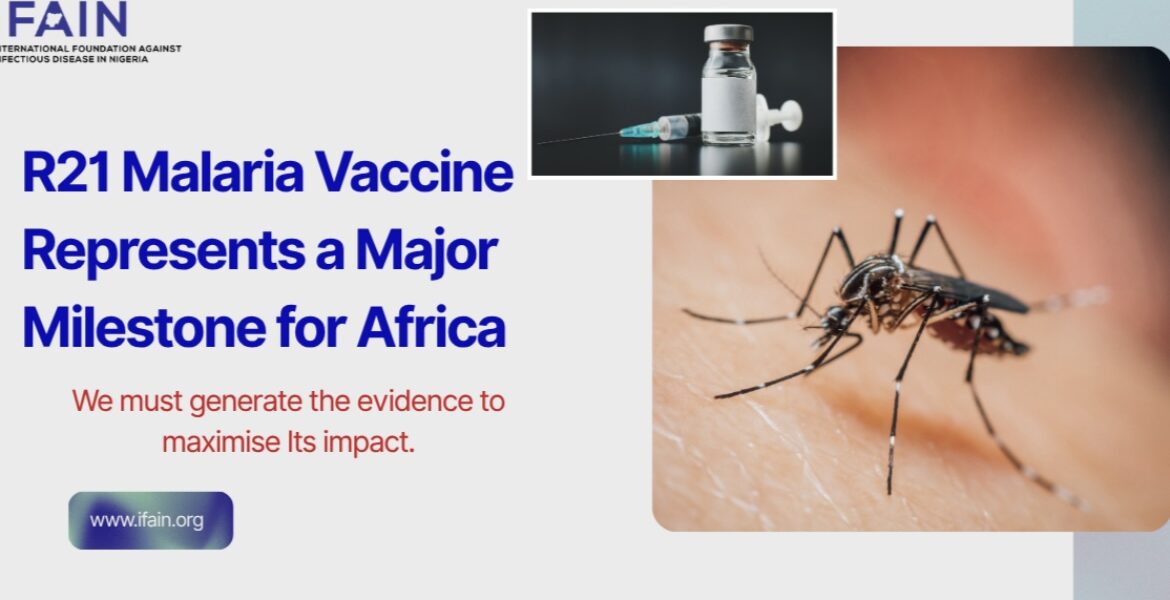
For decades, malaria has remained one of Africa’s deadliest infectious diseases, disproportionately affecting children under five and placing enormous pressure on families, communities, and health systems.
The introduction of the R21/Matrix-M malaria vaccine marks an important scientific breakthrough in the fight against malaria. For the first time, African countries have access to a vaccine that has demonstrated promising efficacy and the potential to significantly reduce severe disease and deaths among children.
But vaccine introduction is not the finish line.
As countries begin deploying the R21 vaccine, important questions remain:
• How effective will the vaccine be across different epidemiological settings?
• How long will protection last in real-world conditions?
• How can vaccination programmes be integrated with existing malaria control strategies?
• What surveillance systems are needed to monitor impact and guide future policy decisions?
The history of public health has shown that successful disease control requires more than a single intervention. Vaccines work best when supported by strong surveillance systems, reliable diagnostics, robust data, effective implementation, and sustained investment in health systems.
We believe that generating local evidence, strengthening research capacity, and investing in disease surveillance will be critical to maximising the impact of malaria vaccination programmes across Africa.
The R21 vaccine offers hope but we must ensure that implementation, monitoring, and evidence generation keep pace with innovation.
Every child protected from malaria is a step closer to a healthier and more resilient Africa.