World-Class Laboratory Infrastructure

IFAIN operates one of the most advanced infectious disease research laboratories in West Africa — housing specialist equipment that enables rapid molecular diagnostics, antimicrobial resistance surveillance, haematology screening, and long-term biobanking.

Our Capability

Science Requires the Right Tools

IFAIN's laboratory capability is the foundation of every study we conduct. Our investment in specialist equipment — much of it among the very few in West Africa — allows us to generate data of the quality expected by international journals, global health funders, and regulatory bodies.

From automated antimicrobial susceptibility testing to multiplex PCR capable of identifying 20+ pathogens simultaneously, our facilities enable the kind of rigorous, reproducible science that translates into policy change and clinical practice.

10+ Specialist Instruments
BSL-2 Biosafety Level
GCP Compliant Standards
<1hr Pathogen ID Time
IFAIN Laboratory, Abuja

What Our Lab Enables

End-to-End Infectious Disease Research Capacity

🧬
Molecular DiagnosticsPCR, nucleic acid extraction, multiplex pathogen detection
🦠
Microbiology & CultureAutomated organism ID and antimicrobial susceptibility testing
🩸
Haematology ScreeningSickle cell disease, haemoglobin variants, newborn screening
🏥
Blood Culture & SepsisAutomated continuous monitoring for bacteraemia detection
🧊
Biobanking at −80°CLong-term specimen preservation for future research
🛡
BSL-2 BiosafetyHEPA-filtered containment for infectious specimen handling
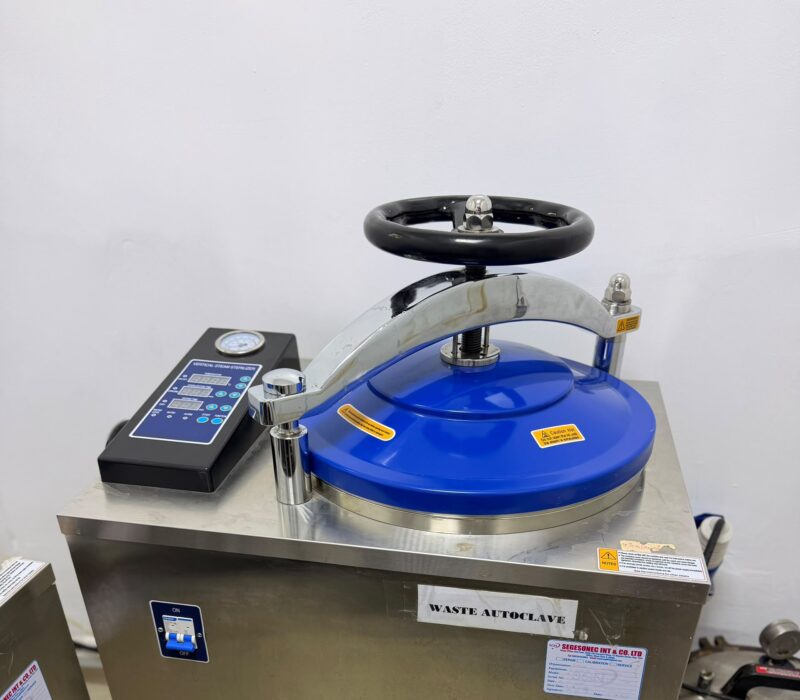
Sterilisation & WasteAutoclave infrastructure for media, glassware and biohazardous waste
Category:
🔬

Upload photo via
Dashboard → Laboratory → Add Equipment

Rare in West Africa Microbiology

bioMérieux

VITEK® 2 System

Automated identification of bacteria and yeast, plus antimicrobial susceptibility testing — significantly reducing diagnosis turnaround time.

The VITEK® 2 uses specialised identification and susceptibility cards containing biochemical substrates and antibiotics. After a standardised bacterial suspension is prepared from a pure culture, the cards are automatically filled, sealed, incubated, and read. The system continuously monitors bacterial growth and biochemical reactions using optical technology, allowing accurate microorganism identification and determination of susceptibility or resistance to a wide range of antimicrobial agents. This supports appropriate antimicrobial therapy and antimicrobial stewardship programmes.
🔬

Upload photo via
Dashboard → Laboratory → Add Equipment

Molecular Diagnostics

Zybio

Zybio Automatic Nucleic Acid Extraction System

Automated extraction and purification of DNA and RNA from clinical specimens including blood, swabs, sputum, urine, CSF, and cultured isolates.

The instrument utilises magnetic bead technology to efficiently isolate high-quality nucleic acids while minimising manual handling and contamination risk. Automated extraction ensures consistency, reproducibility, and high-quality nucleic acid recovery, making it suitable for downstream applications such as real-time PCR, multiplex PCR, sequencing, and pathogen detection. The system processes multiple samples simultaneously with minimal hands-on time.
🔬

Upload photo via
Dashboard → Laboratory → Add Equipment

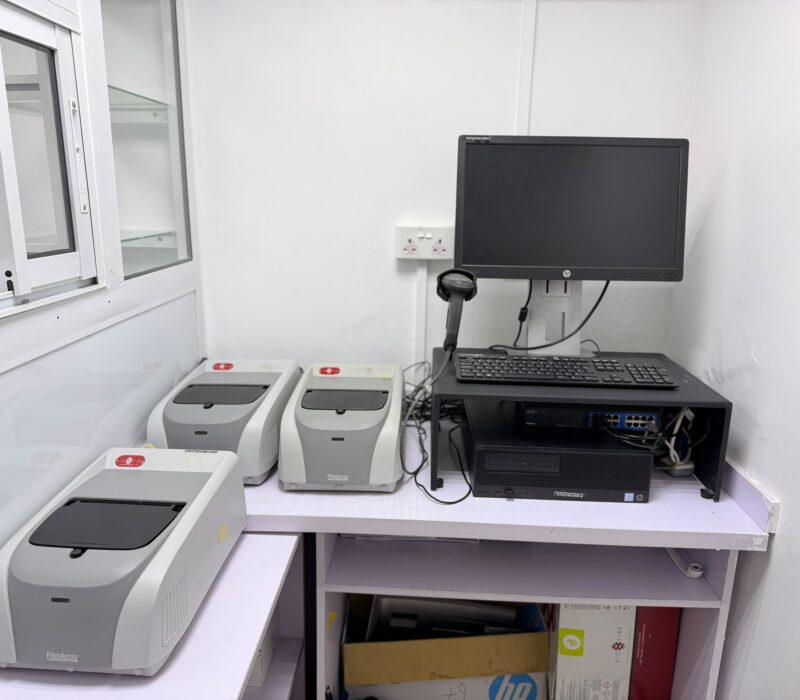
One of very few in Nigeria Molecular Diagnostics

BioFire Diagnostics

BioFire® FilmArray® Multiplex PCR System

Detects 20+ bacterial, viral, fungal and AMR targets from a single specimen in approximately one hour.

The BioFire FilmArray integrates nucleic acid extraction, reverse transcription, PCR amplification, detection, and result interpretation into a single automated workflow. Panels include Respiratory, Blood Culture Identification, Gastrointestinal, and Meningitis/Encephalitis — each identifying numerous pathogens simultaneously. This technology enables rapid diagnosis, facilitates prompt clinical decision-making, improves patient management, supports infection prevention, and reduces unnecessary antimicrobial use.
🔬

Upload photo via
Dashboard → Laboratory → Add Equipment

Biosafety

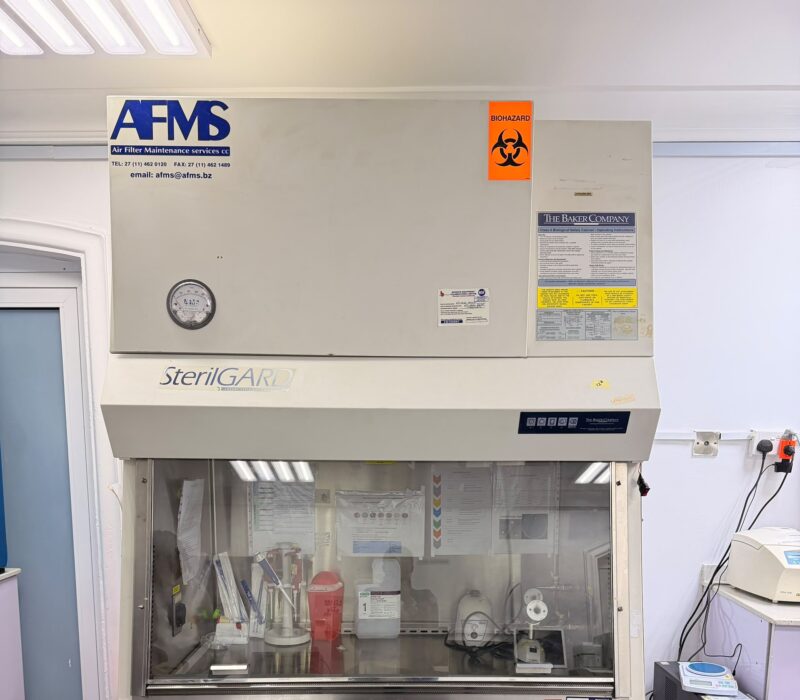
Class II Type A2

Biosafety Level 2 (BSL-2) Biological Safety Cabinet

HEPA-filtered laminar airflow containment protecting personnel, environment, and specimens when handling infectious materials.

The Class II Biosafety Cabinet uses HEPA-filtered laminar airflow to maintain a sterile working environment and prevent exposure to infectious aerosols. It is routinely used for specimen processing, bacterial culture, inoculation, preparation of molecular diagnostic samples, and other microbiological procedures involving moderate-risk pathogens. The cabinet is critical for maintaining aseptic technique, preventing cross-contamination, and ensuring compliance with laboratory biosafety standards.
🔬

Upload photo via
Dashboard → Laboratory → Add Equipment

Storage

Ultra-Low Temperature Storage

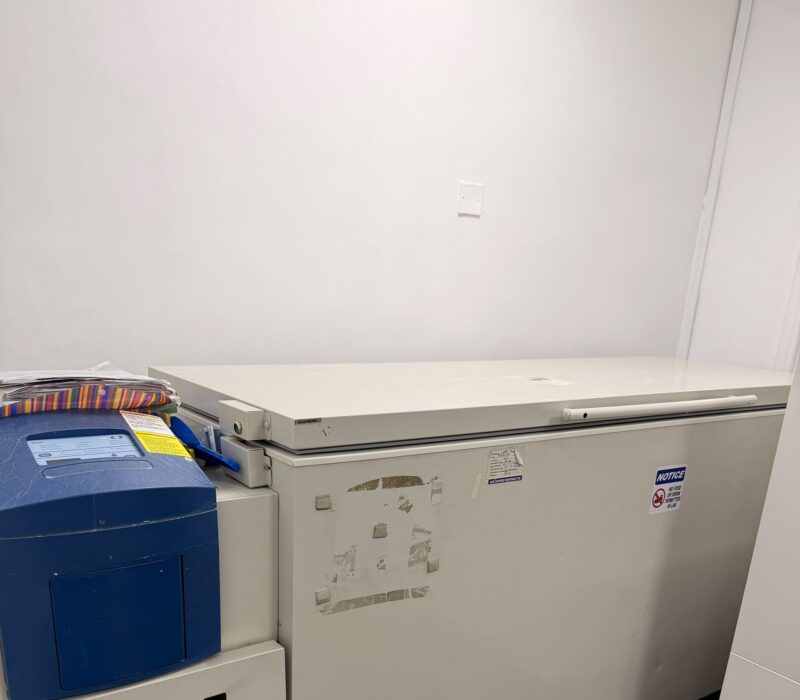
−80°C Ultra-Low Temperature Freezer

Long-term preservation of bacterial isolates, DNA, RNA, and biological specimens for future research, whole-genome sequencing, and epidemiological investigations.

Bacterial isolates are stored in cryovials containing cryoprotective media such as glycerol broth. Storage at −80°C greatly reduces cellular metabolism and preserves bacterial viability, genetic stability, and phenotypic characteristics over extended periods. These freezers are essential for maintaining reference strains, preserving multidrug-resistant organisms for surveillance, storing isolates for future antimicrobial susceptibility testing, molecular characterisation, whole-genome sequencing, and quality assurance activities.
🔬

Upload photo via
Dashboard → Laboratory → Add Equipment

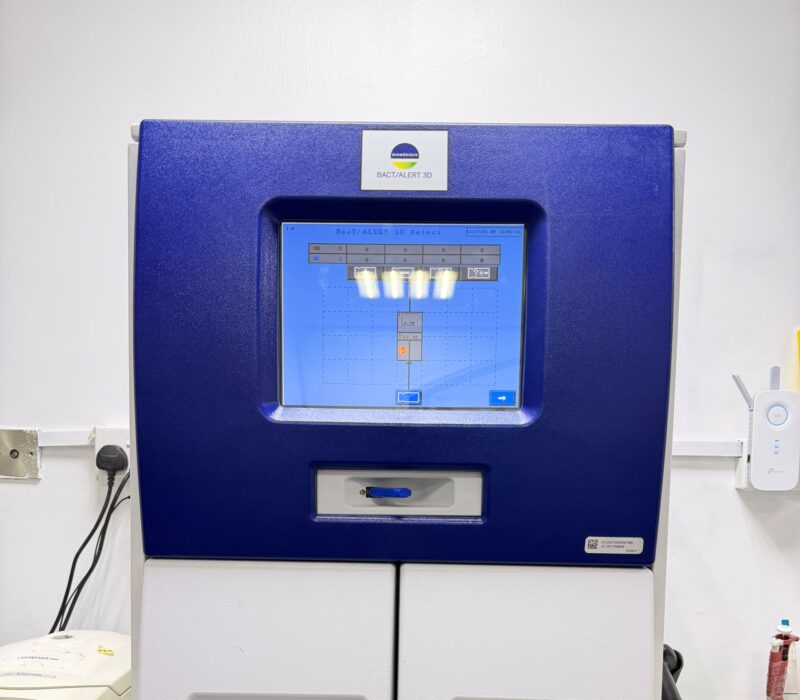
Rare in Nigeria Microbiology

bioMérieux

BacT/ALERT® Automated Blood Culture System

Rapid detection of microorganisms in blood and sterile body fluids through continuous automated monitoring — dramatically reducing time to diagnosis of sepsis and bacteraemia.

The BacT/ALERT continuously monitors culture bottles for microbial growth by detecting carbon dioxide produced during bacterial or fungal metabolism. Positive cultures are automatically flagged, enabling prompt Gram staining, subculture, organism identification, and antimicrobial susceptibility testing. The system significantly reduces the time to diagnose bloodstream infections such as bacteraemia and sepsis, supports timely initiation of appropriate antimicrobial therapy, and enhances laboratory efficiency through continuous automated monitoring.
🔬

Upload photo via
Dashboard → Laboratory → Add Equipment

One of few in West Africa Haematology

Bio-Rad Laboratories

Bio-Rad VARIANT™ II HPLC System

Automated HPLC analysis for diagnosis and monitoring of sickle cell disease, thalassaemia, and HbA1c testing in diabetes management.

The VARIANT™ II is an automated High-Performance Liquid Chromatography analyser used to separate and quantify haemoglobin fractions. It is primarily used for the diagnosis and monitoring of haemoglobin disorders such as sickle cell disease and thalassaemia, and for HbA1c testing in diabetes management where applicable. The system provides accurate, reliable, and standardised results, enabling early diagnosis, effective patient management, and improved laboratory efficiency through automated analysis.
🔬

Upload photo via
Dashboard → Laboratory → Add Equipment

One of very few in Nigeria Haematology

Bio-Rad Laboratories

Bio-Rad VARIANT™ Newborn Screening (NBS) System

Automated HPLC detection of haemoglobin variants in newborns — enabling early identification of sickle cell disease and other haemoglobinopathies.

The VARIANT™ NBS separates different haemoglobin fractions based on their chemical properties, allowing early identification of conditions such as sickle cell disease and other haemoglobinopathies. The system provides accurate, reliable, and standardised results with minimal manual intervention, making it essential for newborn screening programmes. Early detection enables timely clinical intervention, reducing complications and improving long-term health outcomes for affected individuals. This supports genetic counselling and family planning decisions.
🔬

Upload photo via
Dashboard → Laboratory → Add Equipment

Sterilisation

Vertical Autoclave

Vertical Steam Sterilizer (Media Autoclave)

Sterilisation of culture media, laboratory equipment, reusable glassware, and biohazardous waste at 121°C and 15 psi.

The media autoclave operates by generating saturated steam under pressure, effectively destroying bacteria, viruses, fungi, and bacterial spores. This ensures all materials are free from microbial contamination before use or disposal. The autoclave plays a critical role in maintaining aseptic laboratory conditions, ensuring reliable microbiological testing, preventing cross-contamination, and promoting laboratory biosafety and quality management in compliance with GCP standards.

Interested in Research Collaboration?

Our laboratory infrastructure supports collaborative studies, joint grants, and visiting researcher programmes.